Save big on pet essentials today!
Puppy Potty Training 101: Tips and Tricks for Fast and Reliable Results
Getting a new puppy brings joy and excitement, but house training can be difficult. Many pet owners struggle with this important step in raising a happy, well-behaved dog. A consistent routine, positive reinforcement, and quick response to signs your puppy needs to go are the keys to successful potty training.
Fetch4Fido
2/16/20257 min read
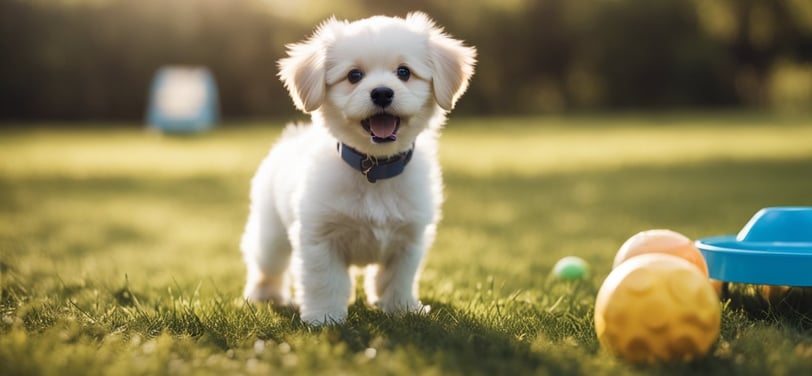
Puppies learn best through gentle guidance and clear patterns. Most can start grasping basic potty-training concepts between 12 and 16 weeks. Each puppy moves at their own pace, and patience makes a big difference in the training process.
Training success depends on watching your puppy closely and learning its signals. Young puppies need frequent bathroom breaks, such as after meals, naps, and playtime. A good schedule helps prevent accidents and builds healthy habits that last.
Key Takeaways
Regular schedules and consistent routines help puppies learn where and when to go potty.
Quick recognition of bathroom signals prevents accidents and speeds up training success.
Positive rewards and patience create lasting good habits in house-trained puppies.
Understanding Puppy Behavior
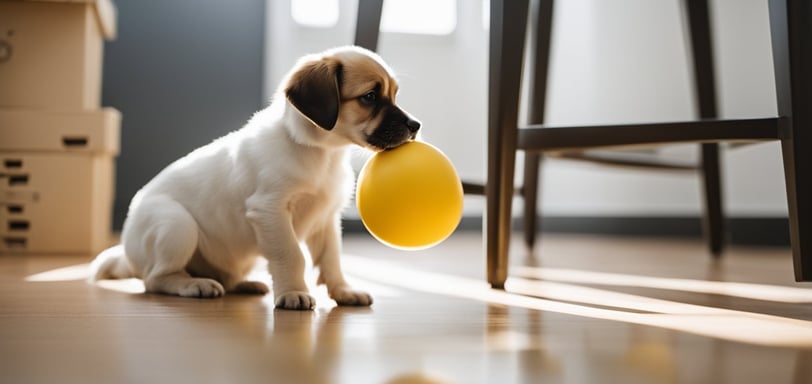
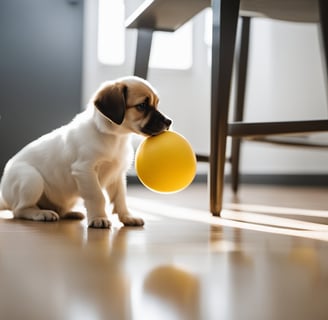
Puppies follow natural growth patterns and display specific signals when they need to eliminate. These biological patterns make potty training more effective when you know what to watch for.
Puppy Development Stages
Most puppies gain bladder control between 4 and 6 months of age. Young puppies need to relieve themselves every 1 to 2 hours during the day.
From birth to 8 weeks, puppies rely on their mother to stimulate elimination. They can't control their bladder or bowels during this time.
At 8-12 weeks, puppies start to develop physical control. They can hold their bladder for about 2 hours at a time.
Between 3 and 6 months, bladder capacity increases. The general rule is that puppies can hold it for their age in months plus one hour.
By 6 months, most puppies can last 6-8 hours between potty breaks.
Common Potty Signals
Dogs use specific body language to show they need to go out:
Circling or pacing
Scratching at doors
Whining or barking
Sniffing the ground intensely
Standing near the door
Returning to previous accident spots
Some puppies show subtle signs like becoming restless or stopping play suddenly.
Morning, after meals, and after naps are prime potty times. Most puppies need to go out within 15-30 minutes of eating or drinking.
Watch for these signs closely during the first few weeks of training. Quick response to these signals leads to faster potty training success.
Setting Up for Success
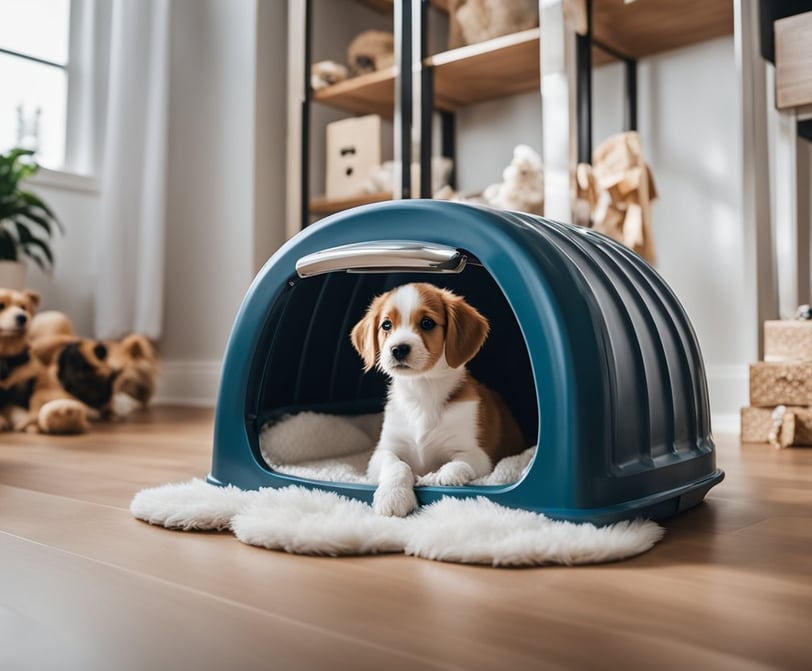
A well-planned potty-training setup creates the foundation for teaching puppies good bathroom habits. The right location, schedule, and timing can significantly increase success rates.
Choosing the Right Spot
Pick a specific outdoor spot that is easy for the puppy to reach quickly. This area should be free of distractions like loud noises or heavy foot traffic.
The potty spot needs good lighting for nighttime trips. A covered area can help during bad weather.
Key spot requirements:
Less than 30 seconds from the door
Away from play areas
Visible from inside
Protected from strong winds
Creating a Consistent Schedule
Puppies learn best through repetition. Feed them at the same times each day to create predictable potty patterns.
Daily feeding schedule example:
Morning meal: 7:00 AM
Afternoon meal: 2:00 PM
Evening meal: 7:00 PM
Take the puppy out right after meals, naps, and playtime. These natural triggers help establish a routine.
Appropriate Potty Break Frequency
Young puppies need frequent bathroom breaks. The number of breaks changes with age.
Break frequency by age:
8-10 weeks: Every 1-2 hours
3-6 months: Every 3-4 hours
6+ months: Every 4-6 hours
Puppies can usually sleep through the night by four months old. With younger pups, set an alarm for overnight breaks.
Take extra breaks during high-activity times, like after drinking water or playing.
Training Techniques
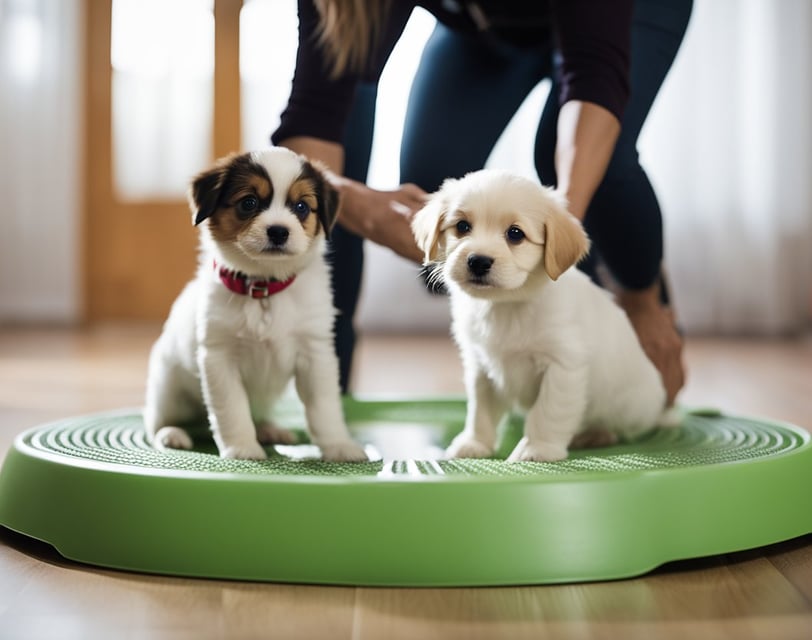
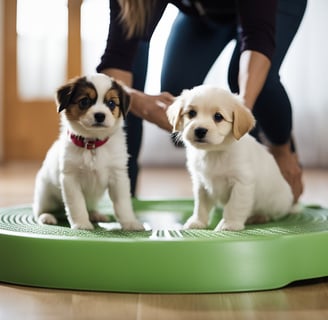
The right mix of consistency, rewards, and proper response to accidents leads to successful puppy potty training. These proven methods help puppies learn faster and create lasting results.
Crate Training Fundamentals
Pick a crate that gives your puppy enough space to stand, turn around, and lie down. A bigger crate might tempt them to use one corner as a bathroom.
Set up a consistent schedule for crate time. Take puppies out first thing in the morning, after meals, after naps, and before bedtime.
Young puppies can only hold their bladder for 1 hour per month of age plus one month. A 3-month-old puppy needs breaks every 4 hours.
Never use the crate as punishment. Make it cozy with blankets and toys to create a safe space.
Positive Reinforcement Strategies
Give treats and praise within 3 seconds of outdoor potty success. This timing helps puppies connect the reward with the right behavior.
Choose high-value treats like small pieces of chicken or cheese for potty training. These special rewards make a stronger impact than regular kibble.
When taking them outside, use a specific phrase like "go potty", saying it in the same spot each time to build an association.
Keep treats by the door and in your pocket for quick access.
Handling Accidents
Clean accidents with enzymatic cleaners to remove all traces of smell. Regular cleaners might leave scents that attract puppies back to the same spot.
Never punish or scold for accidents. This can make puppies scared to potty in front of you.
Interrupt accidents with a calm "no" and quickly move the puppy outside. Praise and treat if they finish outside.
Watch for signs like sniffing, circling, or whining. These usually mean a puppy needs to go out.
Health Considerations
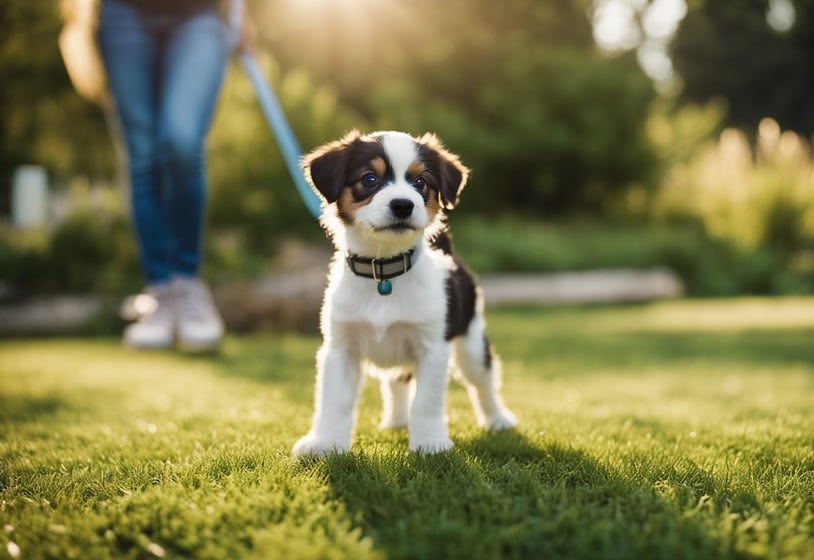
Proper diet and monitoring your puppy's health are vital to successful potty training. Regular feeding schedules and quick responses to illness symptoms help maintain consistent bathroom habits.
Diet and Digestion
Puppies need 3-4 small meals daily until they are 6 months old. Feed them at the same times each day to create predictable potty patterns.
High-quality puppy food supports healthy digestion. Avoid table scraps and sudden food changes, which can cause upset stomachs and accidents.
Water intake matters:
Remove water 2-3 hours before bedtime
Provide fresh water throughout the day
Monitor for excessive thirst
Recognizing Signs of Illness
Watch for these warning signs that may affect potty training:
Frequent urination
Diarrhea or constipation
Straining to urinate
Blood in urine or stool
Loss of appetite
Restlessness or whining
If symptoms last more than 24 hours, call the vet. Some health issues require quick medical attention to prevent training setbacks.
Common causes of potty issues:
Urinary tract infections
Parasites
Food allergies
Digestive infections
Troubleshooting Common Issues
Some puppies face specific challenges during potty training that require extra patience and targeted solutions. The right approach can help address stubborn behaviors, age-related difficulties, and anxiety-related accidents.
Dealing with Stubborn Puppies
Puppies who resist training often need a more structured schedule. To increase their success rates, take them out every 30-45 minutes during their waking hours.
Use high-value treats like small pieces of chicken or cheese to reward proper potty behavior. The better the reward, the more motivated they'll be to learn.
Signs of Stubbornness:
Hiding to eliminate
Refusing to go outside
Going potty right after coming back inside
Stick to the same door and potty spot each time. This creates a straightforward routine that even stubborn puppies can follow.
Adjusting for Older Puppies
Older puppies may have developed bad habits that need to be broken. Thoroughly clean accident spots with enzyme cleaners to remove all traces of odor.
Create a strict feeding schedule. Remove food bowls after 20 minutes, and avoid free feeding. This helps predict potty times more accurately.
For puppies over 6 months old, remove water 2-3 hours before bedtime. This reduces nighttime accidents while maintaining proper hydration during the day.
Managing Separation Anxiety
Anxiety-related accidents often happen when puppies feel alone. Start with short absences of 5-10 minutes and gradually increase the duration.
Anxiety Prevention Tips:
Leave a worn shirt or blanket with your scent
Provide safe chew toys for distraction
Create a cozy den space
Don't make a big fuss when leaving or returning home. Calm behavior helps reduce stress-related accidents.
Consider using a crate big enough to stand, turn, and lie down in. This creates a secure space and reduces anxiety-based elimination.
Maintaining Good Habits
A well-trained puppy needs consistent care and attention to maintain good behavior. Regular check-ups and ongoing training help create a happy, healthy, well-behaved dog.
Regular Health Check-Ups
Schedule veterinary visits every 3-4 months during the first year. These visits track growth, update vaccines, and catch health issues early.
Record your puppy's bathroom habits. Changes in frequency or consistency can signal health problems that require attention.
Monitor food and water intake daily. A puppy should drink about 1/2 to 1 ounce of water per pound of body weight.
Key health signs to watch:
Energy levels
Appetite changes
Stool consistency
Urination frequency
Continued Training and Socialization
Set aside 10-15 minutes twice daily for training sessions. Short, frequent practice is more effective than long sessions.
Use positive reinforcement to maintain potty-training success. Give treats and praise when puppies go in their designated spot.
Take puppies to new places and introduce them to different people. This builds confidence and prevents behavior problems.
Daily training checklist:
Morning potty break
Two training sessions
Evening potty routine
Social interactions
Mix old commands with new ones to keep skills sharp. Practice basic commands like "sit" and "stay" before meals or walks.
Transitioning Outside
Moving puppies from indoor potty spots to outdoor bathroom areas needs careful planning and patience. A successful switch depends on timing and proper preparation.
Moving from Pads to Outdoors
Start by placing pee pads closer to the door your puppy will use to go outside. Move the pad a few feet each day until it reaches the door.
Take your puppy to the outdoor potty spot right after meals, naps, and playtime. These are key times when puppies need to relieve themselves.
Key times for outdoor trips:
First thing in the morning
After meals
After waking from naps
During/after play sessions
Before bedtime
Keep using praise and treats when the puppy goes in the right spot. This reinforces the new routine.
Weather Considerations
Rain, snow, and cold weather can make outdoor potty training more challenging. Some puppies resist going out in bad weather.
Create a sheltered potty area using outdoor rugs, artificial grass, or gravel. This will make puppies more comfortable during harsh weather.
Dress small or short-haired puppies in warm clothing during cold weather. This helps them stay comfortable enough to focus on their business.
Use an umbrella to shield both you and your puppy from the rain. Many puppies learn to tolerate wet weather when their humans stay close by.
Good luck on your potty-training journey!