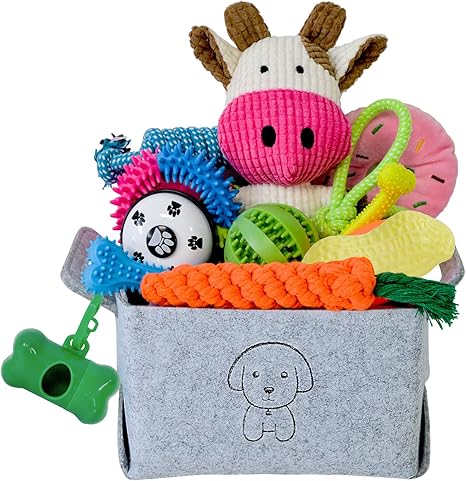


Puppies bite for various reasons, including play, curiosity, and teething. Each nip or bite is an opportunity to teach them what's acceptable. Clear techniques like short time-outs can help address this behavior effectively. Certain methods, such as redirecting with toys, can also engage them in healthy play.
Socializing a puppy is crucial for its development and helps manage its biting tendencies. Introducing it to different environments and playmates teaches it how to interact appropriately. When consistent efforts don't show improvement, consulting a professional trainer can be beneficial to address any persistent aggressive biting.
Key Takeaways
Consistent training reduces puppy biting.
Socialization is crucial for your puppy's growth.
Seek professional help if the biting persists.
Understanding Puppy Biting
Puppy biting is a natural part of their development. It often happens due to teething and learning social boundaries. Managing these behaviors involves understanding their specific causes, including teething and how puppies learn bite inhibition.
The Role of Teething in Biting Behavior
Teething is a crucial phase for puppies. As their baby teeth fall out and adult teeth come in, puppies may experience discomfort. Chewing helps alleviate this unease, so teething puppies are often seen gnawing on various objects.
Providing appropriate chew toys can reduce unwanted biting. Items like rubber bones or dental chews are excellent choices. These help soothe aching gums while preventing damage to furniture or personal belongings.
Owners should also set boundaries to teach puppies about acceptable biting. When a puppy bites too hard, pulling away and giving a firm "no" can signal that it’s time to stop.
Bite Inhibition and Puppy Development
Bite inhibition refers to a puppy’s ability to control the pressure of their bite. Developing this skill is crucial for social interactions and safety. Puppies usually learn bite inhibition through play with their littermates.
When puppies bite too hard during play, their siblings yelp and stop playing. This feedback helps them understand when they are being too rough. Owners can mimic this behavior by using verbal cues and withdrawing attention.
Puppy classes offer a controlled environment in which bite inhibition can be practiced with others. Trainers guide play sessions, giving puppies opportunities to learn and adapt their behavior in a safe setting.
Essential Training Techniques
Training your puppy to stop biting involves several key techniques. Positive reinforcement, time-outs, and chew toys are effective methods of redirecting and discouraging unwanted biting behavior.
Positive Reinforcement Strategies
Positive reinforcement is a powerful tool in stopping puppy biting. This method focuses on rewarding desirable behavior rather than punishing unwanted actions. When a puppy stops biting or plays gently, offer a small training treat to encourage this behavior. Treats should be small and easy to eat so they don’t interrupt play.
Combine treats with verbal praise, like saying “good dog,” to strengthen the message. This approach helps puppies associate positive outcomes with gentle play. Consistency is essential; respond immediately to good behavior to reinforce the connection in the puppy’s mind.
Start training sessions in a quiet environment to minimize distractions. Gradually introduce more challenging situations, like playing in a busier room, as the puppy learns to ensure the skills hold under different conditions. This strategy prevents biting and builds a strong foundation for future training.
Implementing Time-Outs for Bite Correction
Time-outs can be an effective way to correct biting. When a puppy bites, immediately say “ouch” or “no” in a firm voice to signal disapproval. This verbal cue should be followed by a brief withdrawal of attention, such as walking away or placing the puppy in a safe, confined area for a short period.
The goal of a time-out is to show that biting leads to a loss of social interaction. Ensure that the time-out is not too long, generally just a minute or two, to prevent the puppy from becoming anxious or upset.
After the time-out, calmly return to the puppy and encourage gentle play. This technique helps puppies learn that biting results in losing playtime, reinforcing better behavior through a clear cause-and-effect relationship.
Using Chew Toys to Redirect Biting
Chew toys are essential in redirecting a puppy’s biting behavior. Since puppies often bite due to teething or boredom, providing appropriate chew toys can relieve discomfort and occupy their time. Choose toys made from safe, durable materials that can withstand vigorous chewing.
Offer a chew toy when the puppy starts to bite, encouraging them to focus their energy on an acceptable object. Praise them for using the toy correctly.
Rotate toys regularly to maintain interest and inspect them for wear to ensure safety. By using chew toys effectively, owners can prevent unwanted biting and provide a safer, more enjoyable environment for the puppy and family members.
Socializing Your Puppy
Socializing a puppy is essential for preventing future behavior issues. It involves exposing them to different environments and others around them. This helps puppies grow into well-adjusted adult dogs.
The Importance of Socialization
Socialization is crucial during the first few months of a puppy's life. Puppies that encounter various people, animals, sounds, and experiences tend to be more adaptable. This period helps them learn how to react calmly in diverse situations. Avoiding socialization might make a puppy fearful or aggressive. Early exposure ensures they are comfortable and confident in new settings.
This process builds positive associations with other dogs and humans. Introducing puppies to different sights and sounds reduces anxiety. Without this experience, a dog might become overwhelmed or scared in unfamiliar environments. Regular interactions help form a balanced temperament, making them well-behaved companions.
Puppy Socialization Class Benefits
Engaging a puppy in socialization classes offers numerous rewards. These classes teach pups to interact positively with other dogs, which enhances their social skills. They also provide owners with guidance on managing different behaviors. Classes are structured and supervised, offering a safe space for learning.
Trainers help address common issues like biting or barking. This structured setting helps puppies learn obedience and respond well to commands. The classes create a controlled environment where puppies meet others and learn essential social cues. Building these relationships early helps them read other dogs' body language, preventing future conflicts.
Class participation fosters positive behavior by reinforcing good manners with treats and praise. This method uses positive reinforcement to encourage polite interactions with humans and other dogs, leading to a more sociable and well-mannered adult dog.
Play Behavior and Social Interaction
Play is essential to a puppy's development, enabling them to learn about themselves and others. Through play, they learn bite inhibition and how to adjust their strength during interactions with other puppies. Biting is common, but play teaches control and moderation.
Social interaction during play ensures they comprehend different social cues. Regular visits to a dog park offer a chance to meet and play with varied dog breeds. This playtime improves their communication skills and builds confidence when meeting new dogs.
This interaction promotes a healthy lifestyle and keeps a puppy mentally stimulated. Understanding proper play behavior prevents potential conflicts later, ensuring they interact positively throughout their lives.
When to Seek Professional Help
Sometimes, a puppy's biting can become challenging to manage on your own. Recognizing the signs and knowing when to consult a professional can make all the difference in helping your puppy develop good habits.
Recognizing Excessive Biting Issues
Excessive biting behavior can be a sign of underlying problems. Puppies learn about the world through their mouths, but constant or aggressive biting may indicate stress or anxiety. If your puppy's biting is frequent and intense, it might lead to injuries or make daily interactions difficult.
Monitoring your puppy's behavior is key. Look for triggers such as loud noises, new environments, or specific situations that cause biting. Despite consistent training, persistent biting could be a clue that help is needed. In such instances, consulting a professional might be the best step forward.
The Role of a Professional Dog Trainer
A professional dog trainer can provide tailored solutions for excessive biting and other challenges. They assess the situation based on your puppy's unique needs, working hands-on to address specific biting issues. Their expertise in handling different breeds and temperaments ensures that the approach is effective.
Professional trainers use positive reinforcement to encourage good behavior while minimizing biting. Techniques like reward-based systems and controlled interactions can redirect a puppy's focus to more appropriate activities. Getting assistance ensures that training is consistent and aimed at long-term success.
Maintaining Consistency and Patience
Effective puppy training involves consistency and patience. Both are vital in teaching your pup to stop biting. Consistent training regimens establish clear boundaries, while patience gives your puppy time to learn good behavior.
The Impact of Consistent Training Regimens
Using consistent training methods is crucial in guiding your puppy to reduce biting. Consistency in training helps dogs understand what is expected of them. For instance, using specific commands and repeating them regularly can create clear rules. Puppies thrive when they know what to expect.
Training sessions should be scheduled at the same time each day. Doing this helps prevent confusion. It teaches your puppy to distinguish between acceptable and unacceptable behaviors. Consistent behaviors from the owner prevent mixed signals, reducing frustration for both.
Employing gentle play is important. It helps puppies channel their energy positively. Always reward positive behavior, reinforcing the proper actions that you want to encourage.
The Role of Patience in Training Puppies
Patience is key when handling puppies, especially when they bite during attention-seeking. Puppies, like young children, take time to learn new behaviors. Rushing the process can lead to setbacks.
A calm approach is essential. Getting frustrated can confuse the puppy, making training harder. Take breaks if needed during training to avoid stress.
Training might take weeks or months, but it's critical to let the puppy learn at its own pace. Celebrate small victories. Puppies need time to adjust and understand which behaviors will earn them rewards. Patience helps maintain a positive training environment.
We understand how important it is to find the right products for your pets. At Fetch4Fido, we provide honest reviews based on our own research and testing. We may earn a small commission if you purchase through our links, but our primary goal is to help you find the best products for your furry friends and make your pet-owning life easier.