

New Puppy Supplies: Essentials Pet Products for Your Fur Baby's World Domination Plan
Bringing home a new puppy is like inviting a tiny, furry tornado into your life – one that needs more supplies than you might expect! Those adorable eyes and wagging tail come with a surprising shopping list beyond just food and a leash. Parents of new fur babies often make multiple panicked trips to the pet store during those first chaotic day
The essential supplies for a new puppy include a properly sized collar and leash, appropriate food and bowls, a comfortable crate or bed, puppy-safe toys, training treats, waste bags, cleaning supplies, and essential grooming tools. Without these basics, puppy parents might find themselves with chewed furniture, accidents on the carpet, and a very confused four-legged friend wondering why the humans keep saying "no" without providing alternatives.
Pet owners who prepare ahead with the right puppy supplies save themselves headaches, protect their belongings, and create a smoother transition for their new family member. After all, nobody wants to be that person searching for enzymatic cleaner at 2 AM while their puppy creates yet another "surprise" on the living room rug!
Embarking on the Furry Odyssey
Bringing home a new puppy involves more than cuddles and cute Instagram photos. It requires preparation, understanding, and a healthy sense of humor about the chaos that's about to unfold in your previously orderly life.
Choosing the Right Puppy
The journey begins with selecting your perfect furry companion. This isn't like picking a ripe avocado at the grocery store—this decision will slobber on your furniture for the next decade or so!
Consider these factors before bringing home your bundle of fur:
Lifestyle compatibility: Is your home ready for a high-energy Border Collie, or would a lazier breed match your Netflix marathon tendencies?
Size expectations: That adorable Saint Bernard puppy will eventually eat more than your teenager and take up most of your couch.
Coat type: Some dogs shed enough to create a whole new dog every week. Are you ready for that commitment to vacuuming?
First-time dog owners might want to research breed-specific needs before making the leap. Remember: that tiny puppy might grow into 100 pounds of enthusiastic greeting every time you walk through the door!
Understanding the Puppy Mindset
Puppies operate with three basic software functions: eat, play, and find creative places to poop that will maximize human distress. Their little brains are developing, which means patience is your new best friend.
Your puppy isn't destroying your favorite shoes out of spite—they're just exploring the world, and the only way they know how is with their mouths. Those razor-sharp puppy teeth will find everything from electrical cords to that expensive handbag you thought was safely hidden.
Training begins immediately, but keep sessions short and sweet. A puppy's attention span closely resembles that of a goldfish on caffeine. Use positive reinforcement—treats work wonders when transitioning from wet to dry food around 8-12 weeks.
Remember: your puppy doesn't understand English, sarcasm, or why peeing on the rug is frowned upon. They'll learn, eventually...probably...maybe.
The Chewsy Essentials
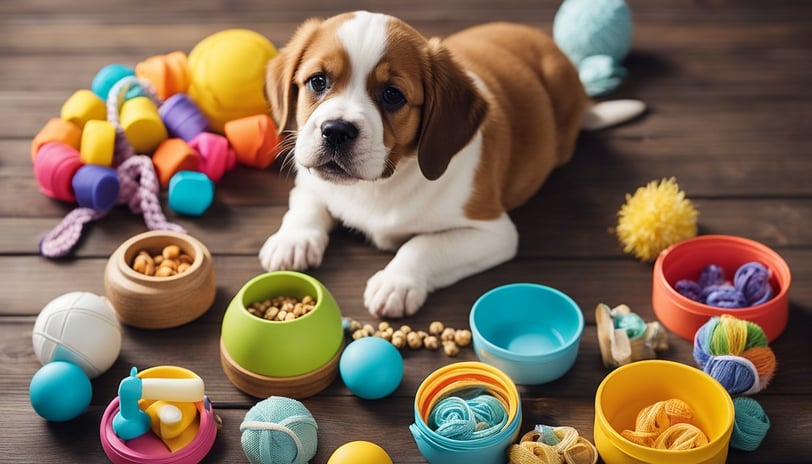
Getting the right chew-friendly items for your new fur baby can save your furniture and your sanity. These puppy picks will keep those tiny teeth busy and provide cozy comfort for naptime.
Toys that Survive the Jaws
Let's face it – puppies are adorable little destruction machines with teeth sharper than your ex's comebacks. Investing in durable puppy toys is essential unless you enjoy buying new toys every other day.
Look for rubber toys specifically designed for teething puppies. Kong toys filled with frozen peanut butter offer entertainment and sweet relief for sore gums.
Rope toys are another puppy favorite, but supervision is key. Nobody wants an emergency vet visit because Fluffy decided to eat the string instead of just chewing it.
Puzzle toys with hidden treats can keep your clever canine busy for hours. Mental stimulation is just as important as physical exercise—a tired puppy is a good puppy!
Pro tip: Rotate toys weekly to keep your pup interested. After a few days in toy timeout, yesterday's boring chew toy magically becomes exciting again.
Beds for Dreamy Doggos
Your puppy needs a comfy spot to crash after all that important work of being adorable and destroying your shoelaces. Dog beds come in all shapes and sizes, but durability is key for the puppy stage.
Look for beds with:
Washable, waterproof covers (trust us on this one)
Chew-resistant materials
Non-skid bottoms
Low sides for easy puppy access
For teething puppies, consider getting a cheap starter bed. Once your pup outgrows the "everything is a chew toy" phase, you can invest in something nicer.
Crate training? Make sure the bed fits properly in their crate. Nothing's sadder than a puppy trying to get comfy on a bed bunched up like badly folded laundry.
Remember that puppies run hot, so avoid overly plush beds that might make them uncomfortable. A simple mat might be all they need until they're fully grown.
Feasting 101: Puppy Edition
Feeding your new puppy is about more than just filling a bowl with kibble and calling it a day. The right food, proper feeding equipment, and strategic treats can make all the difference in your furry friend's health and happiness.
Bowls for Every Appetite
Your puppy's dining experience starts with the right bowl. Stainless steel bowls are the canine equivalent of fine china—durable, easy to clean, and they don't harbor bacteria like plastic bowls. Talk about fancy feasting!
Some intelligent puppies benefit from puzzle feeders or slow-feed bowls that turn mealtime into brain games. It's like dinner and entertainment all in one!
Remember to get separate bowls for food and water. And yes, your puppy will probably use its water bowl as a splash pad at least once. It's not a swimming pool, but try telling them that!
Consider elevated bowls for larger breeds to prevent future neck strain. Your Great Dane puppy will thank you when it's not doing yoga poses to reach its kibble.
Premium Puppy Chow
Puppies need food specifically formulated for their growing bodies. Puppy-specific formulas contain extra protein, calories, and nutrients that adult food lacks.
Large-breed puppies need different formulations than small-breed puppies—it's not a one-size-fits-all buffet! Some high-quality puppy foods can help prevent joint issues in larger breeds by controlling growth rates.
Wet food, dry food, or a combo platter? While dry kibble helps clean teeth and is economical, some puppies benefit from the extra moisture in wet food. The perfect mix depends on your vet's recommendations and your puppy's preference.
Remember the 7-day rule when changing foods: gradually mix increasing amounts of new food with decreasing amounts of old food. Your puppy's tummy (and your carpet) will appreciate this slow transition!
Treating Without Cheating on Diet
Treats are training gold, but moderation is key! The puppy treat rule: Treats should make up no more than 10% of your puppy's daily caloric intake. The other 90% comes from their regular nutritionally balanced meals.
Small, soft treats work best for training since they can be gobbled quickly without disrupting the learning flow. Nobody wants to wait five minutes while Fido chews through a massive bone-shaped cookie mid-training session!
DIY treats can be budget-friendly and healthy. Small pieces of cooked chicken or tiny carrot chunks make excellent alternatives to pet store treats. Just check with your vet first about safe human foods.
Avoid treats with artificial colors, excessive preservatives, or added sugars. Your puppy doesn't care if their treat is rainbow-colored - they'd eat a sock if you let them!
Fashion and Function: Collars and Leashes
Your new furry friend deserves both style and practicality when it comes to their walking gear. The right collar and leash combo can make walks more enjoyable while keeping your puppy safe and looking adorable.
Comfort and Style Collars
Let's face it - your puppy wants to look fabulous while sniffing every tree in the neighborhood. Designer dog collars come in countless patterns, from sophisticated plaids to rhinestone-studded bling that screams, "Yes, I am a diva!"
Consider adjustable puppy collar sets for those tiny new puppies that grow into your four-legged friend. Nobody wants to buy a new collar every three weeks because Fido grows faster than weeds in the spring.
Material matters, too! Nylon, leather, or cotton collars each have their pros and cons. Nylon dries quickly after puddle adventures, while leather offers that "my human has class" vibe.
Safety Tip: Always ensure you can slip two fingers between the collar and your pup's neck. Too tight, and they'll give you the side-eye; too loose, and they'll perform their famous collar escape trick!
Leashes for Every Adventure
A good leash is like a solid Wi-Fi connection – you don't appreciate it until it fails you in public. Standard 6-foot leashes work for most situations, but retractable ones let your curious companion explore while you maintain some control.
For the aspiring Houdinis, consider breakaway leashes with quick-release buckles that prevent choking if they get entangled in playground equipment. Your pup might be smarter than you think, but their problem-solving skills are questionable when wrapped around a tree.
Training leashes come shorter for precision guidance—think of it as power steering for your puppy. Meanwhile, hands-free leashes attach to your waist, perfect for morning jogs or when you need both hands for that essential coffee-and-smartphone combo.
Pro Tip: Match leash material to your lifestyle. Reflective options make nighttime walks safer, while waterproof varieties resist that distinctive wet-dog smell after rainy adventures.
Potty Training Parade
Getting your puppy to do its business in the right place can feel like directing a tiny, furry parade with no sense of direction. The right supplies make all the difference between triumph and tiny puddles where it doesn't belong.
Pee Pads and Poop Bags
Pee pads are your first defense in the war against indoor accidents. Think of them as little puppy potty parking spots! Training pads come in regular, scented (to attract your pup), and even washable versions for the environmentally conscious puppy parent.
For outdoor adventures, never leave home without a healthy supply of poop bags. They come in rolls, dispensers that attach to leashes, and even cute little bone-shaped holders. Some bags are even scented to mask the smell of your puppy's "special delivery."
Pro tip: When your pup successfully uses a designated potty spot, reward them immediately with tiny training treats! Nothing says "good job" like a tasty morsel.
Some clever pet parents install dog training bells by the door. Your puppy learns to ring them when nature calls, turning potty time into a delightful doorbell concert!
Cleaning Supplies for Whoopsie-Daisies
Accidents happen! Your puppy isn't being naughty—it's just learning the ropes of proper bathroom etiquette. An enzymatic cleaner like Nature's Miracle is absolutely essential for cleaning up messes and eliminating odors that might encourage return performances.
Black lights aren't just for college dorm rooms! They can help you spot previously undetected puppy puddles that your nose might have missed. Shine it around in the dark, and watch those hidden spots glow!
Stock up on paper towels, rubber gloves, and possibly a dedicated "oops bucket" for those inevitable cleanup sessions. Many pet parents find that a small handheld carpet cleaner saves their sanity during the potty training process.
Remember: Clean accidents thoroughly, or your puppy might decide, "This smells like my bathroom!" and return to the crime scene. Their noses are much more powerful than ours!